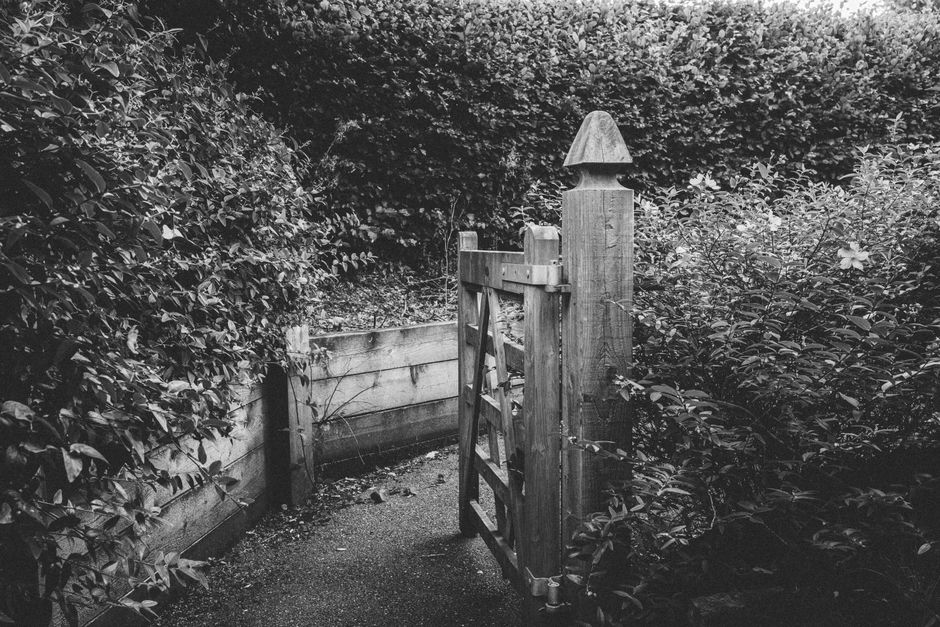
Common problems with garden access for Mottingham gardeners

If you have ever tried to get a mower, a hedge trimmer, or a sack of green waste through a narrow side gate and into a cramped back garden, you already know the issue: garden access can make simple work feel oddly complicated. For Common problems with garden access for Mottingham gardeners, the headaches are often less about the gardening itself and more about how people, tools, and waste actually get in and out.
In Mottingham, that can mean shared side passages, awkward alleyways, tight terraced layouts, sloping steps, locked gates, or access that seems fine until you try turning with a wheelbarrow. Truth be told, it is one of those jobs where the first ten minutes can decide the whole day. This guide breaks down the most common access problems, why they matter, and the practical ways to deal with them without turning the project into a small siege.
Along the way, we will look at planning, safety, realistic options, and the kind of small details that save time and stress. If you are comparing services, you may also find it useful to skim the services overview or learn more about the team on the about us page.
- Why access problems matter
- How garden access issues affect the job
- Benefits of planning access properly
- Who needs this and when it makes sense
- Step-by-step guidance
- Expert tips for better results
- Common mistakes to avoid
- Tools, resources and recommendations
- Law, compliance and best practice
- Options and comparison table
- Case study or real-world example
- Practical checklist
- Conclusion
- Frequently asked questions
Why Common problems with garden access for Mottingham gardeners Matters
Garden access shapes almost every part of a job. If a gardener cannot reach the lawn properly, carry waste out safely, or move equipment without damaging paving, the work becomes slower, riskier, and sometimes more expensive. That is not drama, just reality.
In practical terms, access issues can affect:
- how long the job takes
- what tools can be used
- how much manual handling is needed
- the chance of accidental damage to gates, fences, paths, or beds
- whether waste can be removed efficiently
For Mottingham properties, the mix of property styles matters. A neat front garden may hide a very tight route to the back. Some homes have narrow side returns, others have shared access with neighbours, and many have garden steps or uneven ground that makes pushing equipment awkward. You can almost hear the rattle of a wheelbarrow catching on a broken slab before it happens.
This matters to homeowners because access problems often show up as delays, extra labour, or a job that needs a different method altogether. It matters to gardeners because good planning protects the work quality. And it matters to both because nobody enjoys a rushed finish at 5pm when the light is fading and the last wheelie bag still needs moving. A bit of planning goes a long way, honestly.
If access is also being affected by overgrown boundaries, the hedge trimming service can be relevant, while heavy overgrowth and clutter may need garden clearance before routine maintenance can even begin.
How Common problems with garden access for Mottingham gardeners Works
Garden access problems usually fall into two broad categories: physical restrictions and operational restrictions. Physical restrictions are things like narrow gates, steep steps, tight corners, weak paving, or low arches. Operational restrictions are about timing, permissions, neighbours, parking, and what equipment can realistically be brought in.
Here is the basic workflow most gardeners follow when access is limited:
- They assess the route in and out.
- They look at whether equipment can be carried, wheeled, or assembled on site.
- They estimate how waste will be collected and removed.
- They decide whether the job can be completed safely in one visit or needs staging.
- They factor in extra time for labour, setup, and tidying.
That may sound straightforward, but the devil is in the details. A gate that opens inward can reduce manoeuvring space. A path that slopes slightly can become a problem once wet leaves, moss, or soil are involved. Even a perfectly ordinary step can become annoying when someone is carrying a filled trug or a petrol tool. A small thing, but it adds up.
There is also the issue of site protection. If access is through an indoor hallway, a side passage with delicate slabs, or a shared route, the team may need to protect surfaces, manage noise, and avoid dragging materials across vulnerable areas. In some cases, that means switching from larger machinery to smaller tools, or using more bags and fewer bulky loads.
For bigger garden changes, access planning often overlaps with landscaping or landscape gardening, especially if the work involves reshaping paths, beds, levels, or entrances.
Key Benefits and Practical Advantages
Getting garden access right is not just about avoiding hassle. It actually improves the job in several concrete ways.
| Access planning benefit | Why it helps | What you notice in practice |
|---|---|---|
| Faster setup | Less time spent working out routes and moving items twice | The job starts smoothly, not with a long shuffle through the garden |
| Reduced damage risk | Better route choices protect paving, walls, gates, and borders | Fewer accidental scuffs, chips, and crushed plants |
| Safer manual handling | Loads can be split more sensibly and carried with less strain | Less chance of slips, trips, or awkward lifting |
| Cleaner finish | Waste and cuttings can be removed more efficiently | The garden looks tidier at the end rather than half-finished |
| More accurate pricing | The team can estimate labour and equipment needs properly | Fewer surprises on the day |
There is also a quieter benefit: better communication. When access is discussed early, everyone knows what to expect. That reduces awkward moments like discovering the side gate key is missing, or realising the only route to the back garden is through a locked garage that nobody mentioned. It happens more often than you would think.
Good access planning can also support sustainability. Fewer unnecessary trips through the property means less disturbance, less debris tracked around, and a better chance of sorting green waste correctly. If that side of things matters to you, the recycling and sustainability page is worth a look.
Who This Is For and When It Makes Sense
This topic is relevant to a lot of people, not just those with obvious access problems. If any of the situations below sound familiar, it is worth paying attention.
- Homeowners with narrow side access or terrace-style layouts
- Landlords arranging tidy-ups between tenancies
- Older homeowners who want the job done with minimal disruption
- Families with busy shared entrances or pets underfoot
- People booking hedge cutting, lawn care, or clearance on an overgrown plot
- Anyone planning decking, landscaping, or heavier garden work
It makes sense to think about access before the work starts, not halfway through when someone is already trying to wrestle a mower round a corner. If the route looks tight, says so. If there are steps, say so. If there is a key safe, mention it. A gardener can usually adapt, but only if they know the shape of the problem.
Access planning is especially useful for recurring jobs like garden maintenance and lawn mowing, because a good first setup tends to save time every visit after that.
Step-by-Step Guidance
If you are preparing for a garden job and know access may be awkward, use this simple process. It is not fancy, but it works.
- Walk the route from street to garden. Check gates, keys, steps, slopes, corners, and any narrow sections.
- Identify what needs to move in and out. Think about mowers, hedge tools, clearance sacks, ladders, boards, and wheelbarrows.
- Note the weak spots. Loose slabs, rotten fence panels, slippery moss, low brickwork, or fragile planting can all change the plan.
- Decide whether access is one-way or two-way. Sometimes equipment can be carried in one route, but waste must come out another. Sometimes, there is only one route and that is that.
- Clear obvious obstacles. Bikes, bins, garden furniture, toys, hoses, and decorative items can make a tight route much harder.
- Share the details early. A quick message about gate width, step count, parking, and key access can save a lot of faffing.
- Agree on the working method. Smaller loads, hand tools, staged clearance, or partial dismantling may be the better choice.
- Review after the first visit. If something was awkward, fix it for next time.
A useful rule of thumb? If you think a route feels "a bit tight", it is probably tighter than you think once tools are in hand and there is mud on the ground. That sounds obvious, but people forget it all the time.
If the access issue is linked to long-neglected growth or clutter, starting with garden clearance can create enough space for regular upkeep to become realistic again.
Expert Tips for Better Results
After enough garden jobs, a few habits stand out. Small choices make a surprisingly big difference.
- Measure gates and narrow points properly. Do not guess. A tape measure is boring, yes, but very useful.
- Check the ground surface in dry and wet conditions. A path that is fine in the morning can be treacherous after a shower.
- Keep one clear staging area. Even a tiny patch of level ground near the access point helps with tool handover and waste sorting.
- Use smaller, lighter loads when space is tight. It may take longer, but it reduces snagging and strain.
- Protect sensitive areas. Boards, covers, and careful routing can prevent avoidable damage.
- Plan the exit before you plan the entry. Getting tools in is only half the job. Getting rubbish out can be the annoying bit.
One practical example: a gardener may decide to leave a hedge trimmer, secateurs, and hand rake on-site and carry waste out in smaller bags rather than pushing a full barrow over a narrow, uneven side passage. It is slower on paper. In real life, it is often faster because there is less stopping, turning, and swearing under one's breath. Just a bit less.
For more complex outdoor improvements, especially where access affects levels, patios, or boundary reshaping, landscaping may offer more flexible solutions than trying to force a routine maintenance approach into the wrong space.
Common Mistakes to Avoid
Most access problems are manageable. The trouble starts when people assume they are minor and treat them casually. That is where avoidable delays creep in.
- Assuming a gate is wide enough. It might be wide enough for a person, but not for equipment.
- Forgetting about waste removal. A job that looks simple can become messy if cuttings have nowhere easy to go.
- Ignoring the weather. Mud, wet leaves, and rain all make tight access more difficult.
- Leaving obstacles in place. Bins, planters, and garden furniture eat space fast.
- Not mentioning locked or shared access. This is one of the most common causes of on-the-day delays.
- Choosing the wrong equipment. Bigger is not always better. Sometimes it is just heavier and harder to manoeuvre.
- Failing to warn about fragile surfaces. Old slabs, gravel borders, or soft timber can be damaged quite easily.
One of the sneakiest mistakes is underestimating how long it takes to move material through a narrow route. A pile of cuttings that looks tiny in the border can become a labour-heavy bottleneck once it is bagged. Suddenly, the tidy little pile has attitude.
If the issue is not just access but also overgrowth blocking the route, a seasonal hedge cut from the hedge trimming service may help restore a workable path.
Tools, Resources and Recommendations
You do not need a box full of specialist gear to solve access issues, but the right tools make a real difference. In everyday work, the goal is usually to reduce bulk, reduce lifting, and reduce the chance of snagging.
Useful tools and site aids
- compact hand tools for restricted spaces
- small or foldable barrows
- tarpaulins for controlled waste movement
- surface protection boards for delicate paths
- work gloves with a good grip
- basic measuring tape for gates and corridors
- strong sacks for cuttings and small branches
Practical recommendations
- Keep access routes clear before arrival.
- Take quick photos of awkward sections if you are asking for a quote.
- Tell the gardener about pets, children, or neighbours who share the route.
- Ask whether the work can be split into stages if the access is very tight.
- Use regular upkeep to avoid another access crisis later on.
For larger or one-off jobs, it can also help to review the full services overview before deciding whether you need maintenance, clearance, tree work, or a broader garden reset. If trees are contributing to blocked routes or overhanging obstacles, tree lopping and removal may be the right starting point, but only where appropriate and safe.
And if you want to understand how enquiries, quotes, and booking details are handled, the pages on pricing and quotes and payment and security are useful supporting reads.
Law, Compliance, Standards, or Best Practice
Garden access is not usually a legal puzzle, but there are still sensible standards and duties to keep in mind. In the UK, work should be carried out safely, with proper care for manual handling, equipment use, and site conditions. If a route is awkward, the safer method is usually the better method, even if it takes a little longer.
Good practice normally includes:
- checking access before work begins
- using suitable methods to reduce strain and trip hazards
- protecting surfaces where needed
- communicating clearly with the customer about constraints
- handling waste responsibly
If the work involves ladders, heavy branches, steep steps, or shared routes, a cautious approach matters even more. This is where a business's health and safety policy and insurance and safety information become relevant to the customer, because they show the work is being treated seriously rather than casually.
Accessibility also deserves a mention. A site can be physically difficult without being inaccessible in a legal sense, but if there are mobility concerns, narrow entry points, or steps, the work method should be chosen with care. The accessibility statement and complaints procedure pages can help set expectations around service standards and communication.
On the environmental side, responsible disposal of green waste and sensible sorting practices are part of modern garden work. Nothing flashy. Just good practice done properly.
Options, Methods, or Comparison Table
When access is limited, there is rarely one perfect method. The right approach depends on the route, the task, and how much material has to move.
| Method | Best for | Pros | Trade-offs |
|---|---|---|---|
| Hand-carrying materials | Very narrow access or fragile surfaces | Flexible, low equipment footprint | Slower and more labour-heavy |
| Small barrow or trolley use | Short, reasonably level routes | Reduces lifting and speeds movement | Can be awkward on steps or loose ground |
| Staged removal | Large clearances or overgrown gardens | Controls mess and keeps routes safer | Often takes longer overall |
| Lightweight tool selection | Routine maintenance in tight spaces | Improves manoeuvrability | May be less efficient for large volumes |
| Access-first redesign | Persistent layout problems | Solves the root issue | Usually requires bigger planning and budget |
Sometimes the best answer is not to work harder through a bad route, but to change the route or the garden layout itself. That is where decking services or broader landscape gardening can become part of a longer-term fix. Not always, but sometimes yes.
Case Study or Real-World Example
A typical Mottingham scenario goes like this. A homeowner wants a tidy-up after the hedge has grown across a side passage and the lawn has become patchy in the back garden. The gate opens, but only just. The passage is narrow, the paving is slightly uneven, and there is a stack of pots leaning near the wall.
On arrival, the gardener can still complete the job, but not in the most obvious way. Instead of bringing everything through in one go, the work is split into stages:
- first, the passage is cleared and protected where needed
- second, hedge and border work is done with compact tools
- third, cuttings are bagged in smaller loads and moved out gradually
- fourth, the lawn is finished once the route is less cluttered
What changed the outcome was not a miracle tool or clever trick. It was simply noticing the access issues early and adapting the method. The result was tidier, safer, and far less stressful for everyone involved. The homeowner also had a better idea of how to keep the route manageable in future, which is often half the battle.
That sort of job is common enough. Nothing dramatic. Just real gardens with real obstacles, and a practical response that respects the space.
Practical Checklist
Before your next garden appointment, run through this quick checklist. It saves time, and frankly, it saves embarrassment too.
- Measure the gate and the narrowest point of access.
- Confirm whether the route is shared, locked, or private.
- Remove bins, bikes, toys, and loose furniture from the path.
- Point out steps, slopes, slippery areas, and damaged paving.
- Explain whether waste can be taken out the same route it came in.
- Let the gardener know about pets or children who may be nearby.
- Ask if the job should be staged because of access limits.
- Decide whether the work is maintenance, clearance, or a larger redesign.
- Share photos if the access looks awkward from the outside.
- Check the weather if the route becomes slippery when wet.
Quick takeaway: the best access plan is the one that avoids surprise. If you describe the space clearly, most garden jobs become much easier to organise, and the finished result usually looks better too.
Get the access right first, and the garden work stops fighting you.
Get a free quote today and see how much you can save.
Conclusion
Common problems with garden access for Mottingham gardeners are rarely about one single obstacle. More often, it is a combination of narrow routes, uneven ground, awkward gates, and the everyday reality of moving tools and waste through spaces that were never designed for heavy use. Once you see that clearly, the solution becomes more practical: measure, plan, clear the route, and choose the right method.
Whether you need simple upkeep or a more substantial tidy-up, access should be treated as part of the job, not an afterthought. That mindset saves time, reduces damage, and makes the whole experience calmer. And let's be honest, a calmer garden job is usually a better one. A lot better, actually.
If you are planning work soon, take ten minutes to think through the route before anything else. That small bit of care can make the rest of the project feel surprisingly easy.
Frequently Asked Questions
What are the most common garden access problems for Mottingham homes?
The most common issues are narrow side gates, tight side passages, steps, uneven paving, shared access routes, and limited space for moving tools or waste. Overgrown hedges and cluttered paths can make things worse.
Why does garden access affect the cost of a job?
Restricted access usually means more manual handling, slower movement of waste, extra care with surfaces, and sometimes different tools. That can increase labour time, which is why clear access details help with more accurate pricing.
Can a gardener still work if the side gate is very narrow?
Often, yes. The job may just need a different method, such as smaller tools, staged waste removal, or hand-carrying materials in smaller loads. The important part is being upfront about the restriction.
Should I clear the garden before the gardener arrives?
Yes, if you can. Removing bins, toys, furniture, bikes, and loose items makes it much easier to get in and out safely. Even a small clear path can make a big difference.
What if access is through a shared passage?
Shared access can work fine, but it needs care. Make sure everyone knows the plan, keep the route tidy, and be clear about gates, keys, and timing. It helps to avoid misunderstandings with neighbours.
Do access problems make garden clearance harder than routine maintenance?
Usually, yes. Clearance often involves moving more material, so restricted access becomes more noticeable. Routine maintenance can sometimes be adjusted more easily, especially if the access route is only moderately tight.
Is it better to use larger equipment or smaller equipment in tight gardens?
Smaller equipment is usually better in tight gardens because it is easier to manoeuvre and less likely to damage the route. Larger equipment may be more efficient in open spaces, but access should guide the choice.
Can access issues be fixed permanently?
Sometimes. If the problem is a poor layout, a redesign, new paving, improved gate positioning, or a changed access route may help. In other cases, the best answer is simply a smarter working method each time.
What details should I give when asking for a quote?
Give gate width, step count, route length, whether access is shared, whether there are fragile surfaces, and whether waste removal will be needed. Photos are especially helpful if the route is awkward.
Are access issues a safety concern?
Yes, they can be. Tight passages, slippery steps, loose paving, and awkward lifting all increase risk. A careful, well-planned approach is the safer option, especially for heavier jobs or poor weather.
Does bad access always mean the job will take longer?
Not always, but often it does. A clear, well-planned route can still keep the job efficient, even if the space is tight. The real problem is usually poor preparation rather than the access itself.
Where should I start if my garden access is a mess?
Start by clearing the route, measuring the narrow points, and identifying any steps or obstacles. Then decide whether you need maintenance, clearance, hedge work, or a broader garden change. If you are unsure, ask for advice before the work begins.