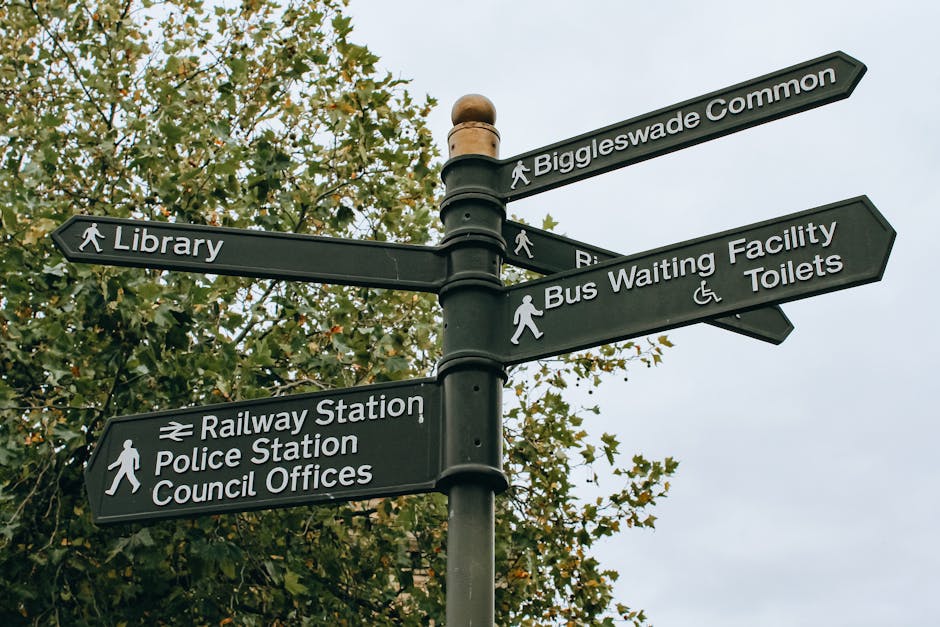
Bromley Council rules gardeners must follow in Mottingham
If you garden in Mottingham, the job is not just about clean borders, tidy lawns, and the occasional satisfying hedge cut. You also need to work in a way that fits local expectations and council rules. That matters whether you are a homeowner keeping on top of your plot, or a gardener working for clients across the area. Bromley Council rules gardeners must follow in Mottingham can affect how you handle waste, noise, access, overgrown hedges, trees, and even where you leave materials while a job is in progress.
To be fair, most problems are avoidable. A bit of planning, a sensible approach to waste removal, and a clear understanding of what counts as nuisance can save a lot of awkward conversations. In this guide, we will break down the practical side of staying compliant, what usually catches people out, and how professional gardeners keep work smooth, safe, and neighbour-friendly. You will also find a simple checklist, a comparison table, and a real-world example from an ordinary Mottingham garden job.
Table of Contents
- Why Bromley Council rules gardeners must follow in Mottingham Matters
- How Bromley Council rules gardeners must follow in Mottingham Works
- Key Benefits and Practical Advantages
- Who This Is For and When It Makes Sense
- Step-by-Step Guidance
- Expert Tips for Better Results
- Common Mistakes to Avoid
- Tools, Resources and Recommendations
- Law, Compliance, Standards, or Best Practice
- Options, Methods, or Comparison Table
- Case Study or Real-World Example
- Practical Checklist
- Conclusion
- Frequently Asked Questions
Why Bromley Council rules gardeners must follow in Mottingham Matters
Local rules are not there to make gardening harder for the sake of it. They exist because gardening work can affect neighbours, pavements, roads, drainage, wildlife, and shared spaces very quickly. One afternoon of hedge cutting or clearance can create noise, mess, access issues, or waste problems if it is handled carelessly. In a place like Mottingham, where many gardens back onto each other and front access can be tight, the margin for error is smaller than people think.
The practical reality is simple: if you ignore council guidance or basic UK best practice, you can end up with complaints, additional clean-up time, or a job that has to be redone. Sometimes it is just inconvenient. Sometimes it becomes expensive. And sometimes, frankly, it is the sort of thing that leaves a neighbour peering over the fence at 7:30 on a Saturday morning with that unmistakable expression. Nobody wants that.
For clients, compliance also signals professionalism. A gardener who understands waste handling, safety, and local expectations tends to work more neatly and finish with fewer surprises. That is especially important for services like ongoing garden maintenance, hedge trimming, and lawn mowing, where regular visits need to be consistent rather than improvisational.
How Bromley Council rules gardeners must follow in Mottingham Works
Most of the time, gardeners in Mottingham are dealing with a mix of local council expectations, general environmental duties, and ordinary common-sense working practices. There is rarely one single rulebook for every job. Instead, the work usually falls into a few broad areas:
- Waste handling: green waste, branches, soil, and mixed rubbish must be sorted and disposed of properly.
- Noise and timing: powered tools can create nuisance if used too early, too late, or without care.
- Public and neighbour safety: paths, driveways, and access routes should be kept clear and safe.
- Tree and hedge work: some jobs may involve protected trees, boundary issues, or overhanging growth that needs extra caution.
- Site tidiness: debris should not be left blowing around the street or blocking drains.
That is the basic structure. Then the details depend on the job. A light seasonal tidy-up is one thing. A full garden clearance is another. If you are removing thick hedge cuttings, lifting old timber, or stripping back overgrowth, the waste volume, loading, and transport decisions matter much more. That is where a service like garden clearance can be the difference between a smooth afternoon and a very long one.
In practical terms, a compliant gardening workflow usually looks like this: assess the site, identify waste streams, check for risks or restrictions, use suitable tools, keep work contained, clear as you go, and leave the area safe. Not glamorous. Very effective.
Key Benefits and Practical Advantages
Following council-aligned gardening practices in Mottingham is not just about avoiding trouble. It also makes the job better. Cleaner work, fewer wasted trips, better neighbour relations, and less chance of damaged lawns or broken paving all add up.
- Fewer complaints: tidy working methods reduce noise, mess, and spillover into shared spaces.
- Safer working conditions: clear access and controlled debris lower the risk of trips and cuts.
- Better results: when tools and materials are handled properly, the finish is sharper.
- Less waste confusion: separating green waste from general rubbish makes disposal easier.
- More trust: clients feel more comfortable when the site is left in order.
A small but useful example: when a hedge is cut back properly and the arisings are bundled rather than scattered, the whole job feels calmer. You hear the rake on gravel, not the crunch of chopped stems underfoot. It sounds trivial, but those little details are what separate a professional result from a rushed one.
For people planning a bigger outdoor refresh, it can also help to combine tasks strategically. For instance, if you are already arranging landscape gardening or wider landscaping, making compliance part of the plan from day one avoids last-minute fixes.
Who This Is For and When It Makes Sense
This topic matters to a few different groups in Mottingham. If you fall into one of these, it is worth paying attention.
- Homeowners: especially if you are doing your own garden work and taking waste to a local facility or arranging a collection.
- Landlords and property managers: overgrown gardens can create neighbour issues fast, so tidy standards matter.
- Professional gardeners: you need to know what good practice looks like, and ideally have it down to a routine.
- Letting agents and maintenance coordinators: a clear process reduces complaints and repeat callouts.
- People clearing a neglected garden: heavier jobs often involve more waste, more risk, and more judgement calls.
If the task is simple, maybe it is just a lawn cut and a border tidy. If it is more involved, such as dealing with accumulated branches, ivy, or dead growth, the stakes rise. A job that starts with "just a quick sort-out" can easily become a whole-day operation. We have all seen that happen, usually under a grey sky with a bin bag that seems to weigh twice what it should.
For clients wanting steady upkeep rather than one-off rescue work, regular garden maintenance is usually the safer and more cost-friendly route. Smaller visits are easier to keep neat, legal, and neighbour-friendly.
Step-by-Step Guidance
Here is a practical way to approach gardening work in Mottingham without drifting into avoidable problems.
- Inspect the site before touching anything. Look for access issues, broken paving, slippery spots, low branches, and anything that might be protected or shared.
- Separate the work into categories. Green waste, woody waste, soil, and mixed rubbish should not all end up in one pile if you can help it.
- Check what needs extra caution. Tree work, boundary hedges, and overhanging growth often need more care than ordinary mowing or pruning.
- Keep pathways clear. If neighbours or residents need to pass, do not block access with bags, branches, or tools.
- Work in manageable sections. It is better to finish one area properly than to spread debris across the whole garden.
- Load and remove waste safely. Heavy bags and awkward branches are where people strain their backs or damage vehicles. Slow down a bit.
- Do a proper final sweep. Check gutters, drains, edges of paving, and shared boundaries for small bits of debris.
- Leave a clean handover. If the client steps outside and sees a neat, safe space, you have done the job right.
For more complex work, such as large hedge reductions or the removal of unsafe branches, it is often sensible to use a service that explicitly handles tree lopping and removal rather than trying to wing it. That is not being overcautious. It is being sensible.
Expert Tips for Better Results
Small habits make a big difference. Here are the ones that tend to matter most in real jobs.
- Cut and collect in stages. Do not wait until the end to clear everything. It gets messy fast.
- Watch wind direction. On a breezy day, light cuttings can travel further than you expect.
- Protect neighbours' boundaries. Sheets or temporary covers can reduce accidental scatter.
- Use the right tool for the job. A sharp blade or clean shear creates a cleaner finish and less tearing.
- Schedule bulky tasks early. Morning work often gives you more time to manage waste and fix surprises.
- Keep an eye on damp conditions. Wet grass, moss, and mulch can be slippery, especially on steps or patios.
If you are a working gardener, it also helps to speak clearly about what is included. A client may think "clearance" means full removal of every last scrap, while you may mean tidy and stack. Best to agree it upfront. Saves everyone a headache.
Where outdoor surfaces, access routes, or timber structures are involved, some gardeners also coordinate with decking services or broader maintenance work so the garden is finished as a coherent space rather than a patchwork of fixes.
Common Mistakes to Avoid
Most local gardening complaints are not caused by dramatic mistakes. They come from ordinary sloppiness. The sort that feels minor at the start and then grows legs.
- Leaving waste in the street too long: even a short delay can create obstruction or complaints.
- Mixing garden waste with general rubbish: this complicates disposal and can raise costs.
- Ignoring boundary lines: trimming a hedge without checking whose side you are on can cause arguments.
- Using noisy equipment at awkward times: this is one of the quickest ways to annoy a street.
- Skipping a final sweep: small twigs, mud, and clipped leaves are what make a job look unfinished.
- Assuming tree work is always straightforward: it may not be. There can be legal and safety considerations.
One common oversight in Mottingham gardens is underestimating access. A narrow side passage, a shared gate, or a parked car can turn a simple clearance into a dance of wheelbarrows and hand-carrying. That is manageable, but only if you plan for it. If you do not, well... you end up making a lot of extra trips.
Tools, Resources and Recommendations
You do not need fancy kit to stay compliant, but the right basics help enormously. Think in terms of control, cleanliness, and safety.
| Need | Practical option | Why it helps |
|---|---|---|
| Cutting hedges and shrubs | Sharp hedge trimmers and hand shears | Cleaner cuts, less mess, better control near boundaries |
| Managing grass | Reliable mower and edging tools | Reduces clumping and makes the lawn look finished |
| Handling green waste | Heavy-duty sacks, tarps, or bins | Makes collection easier and safer |
| Clearing larger loads | Barrows, gloves, and suitable lifting technique | Protects backs and speeds up removal |
| Site cleanliness | Rakes, brooms, and blowers used carefully | Helps leave paths and patios clear |
For day-to-day upkeep, the best recommendation is usually to use a maintenance plan rather than waiting for a problem to become obvious. A good services overview can help you think through what is suitable for the garden as a whole, especially if the space needs more than mowing or one-off pruning.
And if you want the operational side to stay smooth too, it is worth reviewing how a provider handles health and safety, insurance and safety, and recycling and sustainability. Those pages often tell you a lot about how seriously a business treats the work behind the scenes.
Law, Compliance, Standards, or Best Practice
Because this topic touches local rules, waste handling, and safety, it is best to think in terms of layered compliance rather than one dramatic rule with a neat label on it. In the UK, gardeners are generally expected to work with care, avoid nuisance, handle waste responsibly, and avoid damaging property, trees, or shared access. Local council expectations may also influence how waste is presented, how much noise is created, and whether certain trees or hedges need added care.
There are a few good practical principles to follow:
- Do not assume a tree can be cut without checking. Trees can be subject to protection or conservation-related restrictions depending on location and status.
- Keep work tidy and contained. Mess on pavements or roads is avoidable and should be avoided.
- Dispose of waste lawfully. Garden waste should go where it is meant to go, not simply into the nearest bin or skip without thought.
- Use safe work methods. Ladders, machines, sharp tools, and lifting all carry risk if rushed.
- Respect neighbours and shared spaces. Good practice often matters as much as written rules.
In plain English: if a gardening task could cause harm, nuisance, or legal trouble, slow down and check before doing it. That is the core habit. Not complicated, just consistent. If you are unsure, a careful professional will usually err on the safe side rather than forcing a risky shortcut.
Options, Methods, or Comparison Table
Different jobs in Mottingham suit different approaches. Here is a practical comparison of common options.
| Approach | Best for | Pros | Watch-outs |
|---|---|---|---|
| DIY garden upkeep | Small lawns, light trimming, basic tidy-ups | Low cost, flexible timing, simple jobs are quick | Easy to overlook waste handling, safety, and disposal rules |
| One-off professional visit | Overgrown spaces, seasonal resets, post-tenant clear-ups | Fast turnaround, better finish, less physical strain | Can be more expensive than DIY, especially for larger gardens |
| Regular maintenance plan | Homes that need predictable upkeep | Prevents build-up, keeps standards steady, less stress | Requires ongoing scheduling and budget commitment |
| Specialist clearance or tree work | Heavy debris, unsafe growth, awkward access | Better for difficult jobs and safety-sensitive tasks | Needs more planning and may involve extra compliance checks |
For many Mottingham households, the sweet spot is a mix of regular maintenance and occasional specialist help. That way the garden stays presentable without letting bigger issues pile up. It is a bit like servicing a car; you do the small jobs before the big ones start complaining.
Case Study or Real-World Example
Picture a typical semi-detached garden in Mottingham after a wet spring. The lawn is long, the hedge has pushed over the boundary slightly, and there is a pile of branches from a DIY pruning effort that never quite got finished. Nothing dramatic. Just one of those gardens that looks fine from the kitchen window until you step outside and hear the soggy grass underfoot.
The work starts with a quick check of access. The side path is narrow, so bulky waste needs to be moved in smaller loads. The hedge is trimmed in stages to keep debris controlled. Branches are bundled rather than dumped in one heap. The lawn is cut once the worst of the surface moisture has lifted, which helps avoid clumping. Finally, the driveway and gate area are swept down and the garden is left clear enough for the client to enjoy that same evening.
What made that job go well was not speed. It was order. The team kept waste separate, watched the neighbour's side of the boundary, and finished with a proper clean-up. No drama, no complaints, no half-finished edges. That is what compliance looks like in the real world: quiet, tidy, and slightly unremarkable. Which, honestly, is ideal.
Practical Checklist
Use this quick checklist before and during garden work in Mottingham.
- Have I checked for access issues, hazards, and boundary concerns?
- Do I know what waste will be created and where it will go?
- Am I using the right tool for the task?
- Will the work create avoidable noise or nuisance at this time?
- Have I protected paths, decking, and nearby surfaces where needed?
- Are larger branches, tree sections, or heavy loads being handled safely?
- Have I kept the site tidy as I go, not just at the end?
- Is the final area safe, swept, and ready for normal use?
- Do I need specialist help for trees, overgrowth, or a large clearance?
- Have I explained the scope clearly if I am working for a client?
Quick takeaway: the more organised the job, the easier it is to stay within Bromley Council expectations and ordinary UK best practice. Clean work is usually compliant work.
Conclusion
Bromley Council rules gardeners must follow in Mottingham are really about doing the work properly: safely, neatly, and without creating unnecessary hassle for other people. Once you understand the basics, the whole thing becomes much less intimidating. Keep waste under control, respect timing and access, check for tree and boundary issues, and leave the space better than you found it. That simple formula goes a long way.
Whether you are tidying a small front garden or managing a bigger seasonal clear-out, the best results usually come from calm, careful habits rather than rushing. And if the job is beyond a quick tidy, it is perfectly sensible to bring in help from a local team that knows how to handle the practical side without fuss.
Get a free quote today and see how much you can save.
For tailored help with routine upkeep, larger clearances, or more specialist outdoor work, explore the practical support available through the team behind the service and get the job handled with less stress. Sometimes the best garden result is the one that lets you breathe out when it is finished.
Frequently Asked Questions
Do gardeners in Mottingham need to follow Bromley Council rules for every job?
In practice, yes, at least in the sense that every job should respect local expectations around waste, noise, access, and safety. The exact level of scrutiny depends on the task. A quick lawn cut is very different from a large clearance or tree job.
Can I put garden waste out on the pavement for collection?
You should not assume that is acceptable. Waste needs to be managed in a way that does not create obstruction, nuisance, or mess. If you are arranging collection, keep the area tidy and follow the relevant local guidance for how waste should be presented.
Are hedge trimming jobs treated differently from general garden maintenance?
Often, yes. Hedge trimming can involve boundary issues, height, neighbour impact, and more debris than people expect. General maintenance is usually lighter touch, while hedge work needs more planning and a better clean-up routine.
What should I do before cutting a large tree or removing branches?
Check whether the tree could be protected or subject to extra restrictions, and make sure the work is safe to carry out. If there is any doubt, use a professional who can handle tree lopping and removal carefully rather than guessing.
Is noisy garden equipment allowed early in the morning?
Not always in a practical sense, even if a machine is technically usable. Early noise is one of the quickest ways to annoy neighbours. A sensible gardener chooses timing carefully and avoids unnecessary disturbance.
How do I know if my garden clearance needs more than a standard tidy-up?
If there is a lot of mixed waste, overgrown material, heavy branches, or awkward access, you are probably beyond a simple tidy-up. A proper garden clearance is usually the better fit for those situations.
What are the biggest mistakes people make with council-related gardening work?
The most common mistakes are poor waste handling, blocking access, ignoring neighbour boundaries, leaving debris behind, and assuming all tree or hedge work is straightforward. Those errors are very normal, but very avoidable too.
Do regular maintenance visits help with compliance?
Yes. Smaller, regular visits make it much easier to keep things neat, safe, and manageable. They also reduce the odds of waste building up into something awkward or expensive.
What if my garden backs onto a neighbour's property?
That is exactly when careful working matters most. Keep to your own boundary, avoid letting cuttings drift across, and communicate clearly if the work may affect shared space or access. A little courtesy goes a long way.
Should I check a provider's insurance before booking garden work?
Absolutely. Insurance matters for any work involving tools, ladders, waste removal, or heavier outdoor tasks. It is one of those boring things that is easy to skip, until suddenly it is not boring at all.
How can I tell if a gardener is working responsibly?
Look for tidy setup, clear communication, sensible waste handling, and an obvious respect for access and safety. Responsible gardeners usually make the job look calm. Not flashy. Just efficient and careful.
What is the best next step if I am not sure what rules apply to my garden job?
Start with a clear assessment of the garden and the work involved, then speak to a local professional who understands practical compliance. That is usually quicker and safer than trying to piece everything together mid-job.